



Introduction to Explosion-Proof Temperature Sensors
Release time: 2025-11-26
Explosion-proof temperature sensors play a critical role in ensuring safety and efficiency in industrial environments where flammable and explosive materials are present. Temperature monitoring in such environments is not just a routine operation but a vital safeguard against accidents. These sensors convert temperature changes into usable output signals, allowing industries to track and control temperatures precisely in hazardous conditions. There are two main types of explosion-proof temperature sensors: contact-based and non-contact-based sensors. Contact-based sensors, such as Resistance Temperature Detectors (RTDs) and thermocouples, rely on direct contact with the object whose temperature is being measured. RTDs measure temperature by detecting changes in the electrical resistance of a material, while thermocouples generate a voltage based on the temperature difference between two dissimilar conductors. Both types are widely used because of their durability, accuracy, and suitability for extreme conditions. On the other hand, non-contact-based sensors, such as infrared temperature sensors, detect the temperature by measuring the infrared radiation emitted by an object. These sensors are ideal for monitoring high-temperature surfaces or objects that are difficult or unsafe to reach.

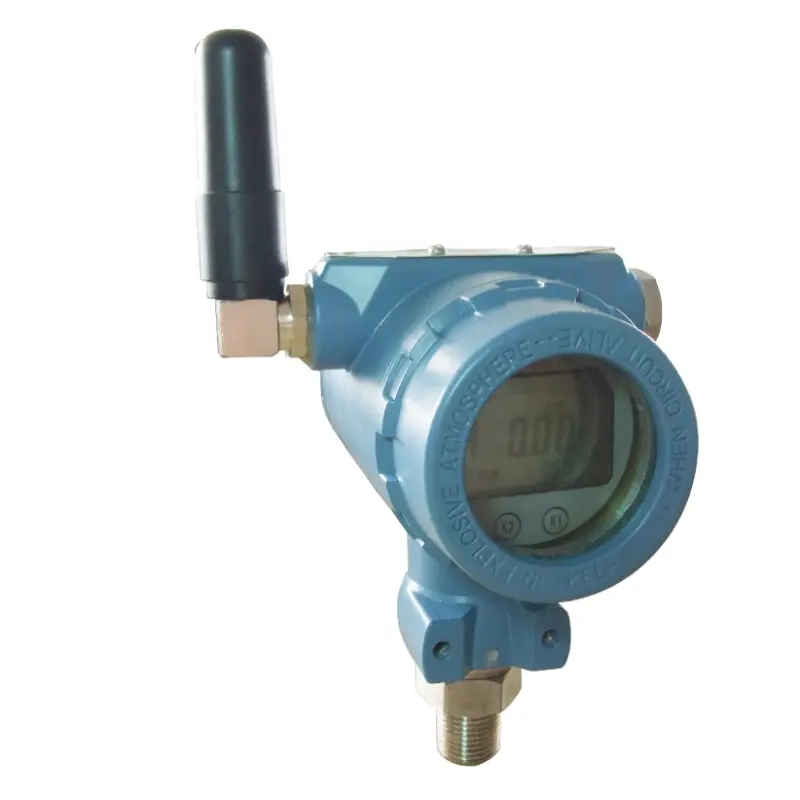
Explosion-proof temperature sensors come in various types and structural designs depending on the specific needs of an industry. Among the most common types are thermistor temperature sensors, thermocouple sensors, and infrared sensors. Thermistors are known for their high sensitivity, making them suitable for applications where quick temperature responses are needed. Thermocouple sensors are highly reliable and resilient, designed to perform in extreme conditions, while infrared sensors offer non-contact measurement, making them perfect for monitoring hard-to-reach or hazardous areas. The structure of these sensors typically includes a sensitive temperature element, a protective housing to shield the element from environmental damage, and a connection interface that transmits the temperature data to monitoring or control systems.
The application of explosion-proof temperature sensors spans a wide range of industries where safety is of utmost concern. In chemical and petrochemical plants, where flammable gases and liquids are present, temperature sensors are essential for preventing accidents caused by temperature fluctuations. In the oil and gas industry, they help monitor temperature conditions to prevent overheating, which could lead to explosions. In ammunition depots and fireworks factories, these sensors are used to ensure safe storage and prevent accidental ignition of materials. Similarly, in aerospace and military applications, explosion-proof temperature sensors ensure that critical systems continue to operate safely under extreme conditions. These sensors are often integrated with display systems, recording devices, and computerized control platforms, allowing real-time monitoring, data logging, and adjustments to optimize performance.
The importance of explosion-proof temperature sensors cannot be overstated. In hazardous environments, even a small deviation in temperature can lead to catastrophic explosions. By providing precise and reliable temperature readings, these sensors significantly reduce the risk of accidents, safeguarding both human life and valuable equipment. In addition to their safety benefits, explosion-proof temperature sensors also enhance operational efficiency. For example, in the pharmaceutical industry, where maintaining precise temperature conditions is essential for product consistency, these sensors help ensure that temperatures remain within optimal ranges. Moreover, these sensors contribute to energy efficiency by ensuring that temperature control systems operate at their most effective level.
Despite their numerous advantages, explosion-proof temperature sensors may face certain challenges, such as zero drift, loss of sensitivity, non-linearity, and overrange conditions. Zero drift refers to the gradual deviation of a sensor’s baseline measurement over time, while sensitivity loss occurs when the sensor becomes less responsive due to wear. Non-linearity can lead to measurement inaccuracies as components age, and overrange conditions occur when temperatures exceed the sensor’s operating limits, potentially causing malfunction. To mitigate these issues, regular calibration and routine maintenance are essential. Protecting the sensors from environmental factors and ensuring they operate within their designed temperature ranges can help prolong their lifespan and maintain accuracy.
Looking to the future, the field of explosion-proof temperature sensors is set to evolve with advancements in technology. The integration of smart sensors with IoT (Internet of Things) capabilities will enable remote monitoring and predictive maintenance, enhancing safety and reducing downtime. New materials are being developed to improve the sensors’ sensitivity and durability, while advancements in explosion-proof design will ensure that these sensors meet increasingly stringent safety regulations. These developments will not only improve the performance and reliability of explosion-proof temperature sensors but also contribute to the broader trend of industrial automation and smart manufacturing.
In conclusion, explosion-proof temperature transmitters are indispensable for ensuring the safety and efficiency of industrial processes in hazardous environments. Their ability to provide accurate and reliable temperature data plays a crucial role in preventing accidents, optimizing production, and enhancing safety standards. As technology continues to advance, these sensors will remain an essential component in safeguarding both people and equipment in industries such as chemicals, oil and gas, aerospace, and beyond.
 />
/> />
/>