



L'importance de la mesure de la pression différentielle dans les applications industrielles
Release time: 2026-03-02
Table des matières
In the world of industrial engineering, we often focus on the “big” metrics: total output, temperature spikes, or power consumption. However, there is an invisible pulse running through every pipe, tank, and cleanroom that dictates the health of the entire operation. That pulse is a differential pressure measurement.
While simple in concept—measuring the difference in pressure between two distinct points—it is the practical application of this data that separates a high-performing facility from one plagued by downtime and inefficiency. From heavy manufacturing to delicate pharmaceutical labs, understanding the “why” behind the pressure drop is essential for modern automation.
The Role of DP in Efficiency
Why do we care about the difference between Point A and Point B? In most industrial settings, a change in pressure is a direct symptom of a change in physical state. One of the most common uses for differential pressure measurement is filter health monitoring. As a filter captures particulates, it creates resistance. By tracking the pressure drop across that filter, maintenance teams can move away from “guessed” schedules and toward predictable maintenance cycles. Replacing a filter only when the DP reaches a specific threshold saves money on parts and prevents unnecessary system strain.
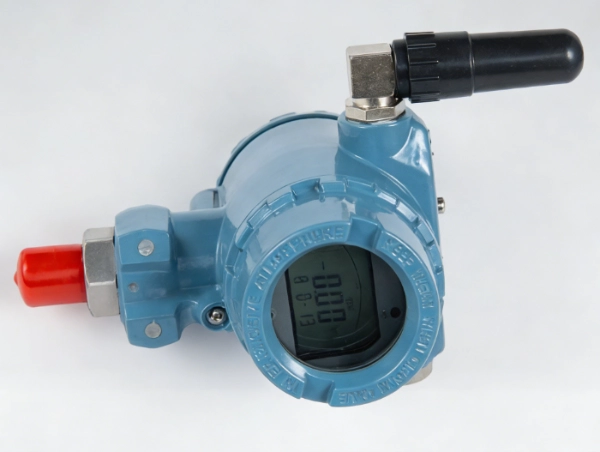
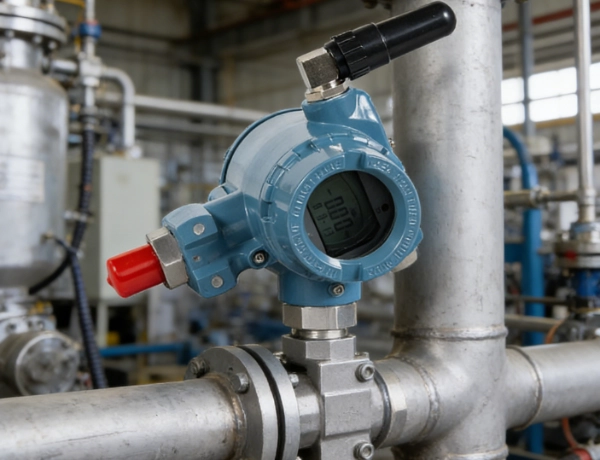
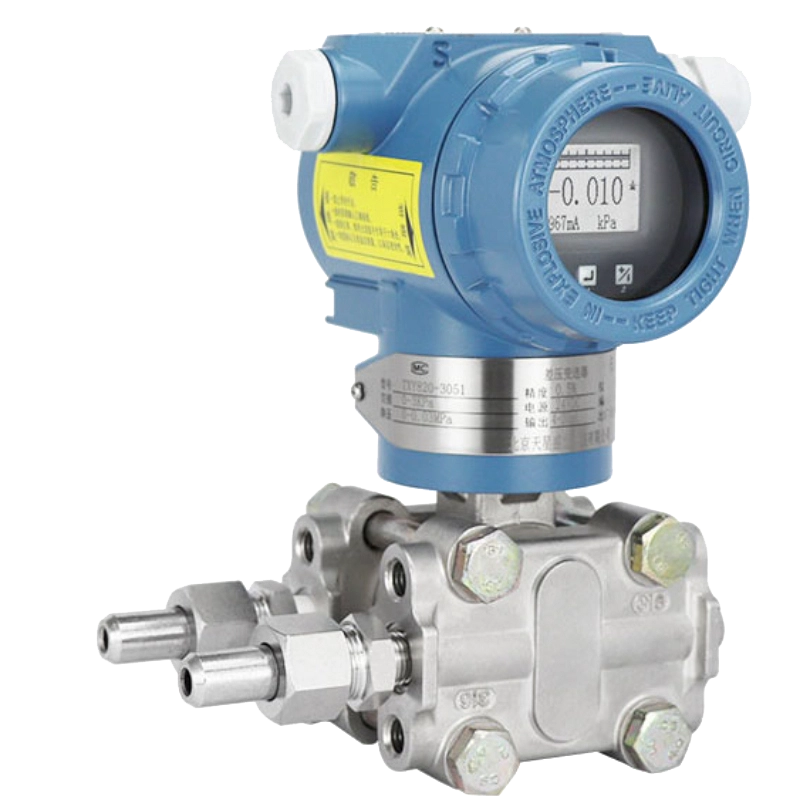
Beyond filtration, this technology is the backbone of industrial flow rate calculation. By using a primary element like an orifice plate or a Venturi tube to create a slight restriction, engineers can use the resulting pressure difference to calculate the velocity of liquids, gases, or steam. It is a reliable, non-mechanical way to monitor throughput without the wear and tear associated with moving parts.
Precision in Challenging Environments
Not all environments are created equal. In many sectors, such as oil and gas or chemical processing, sensors must endure extreme conditions. This is where corrosion-resistant pressure sensors become vital. When dealing with caustic fluids or high-temperature vapors, the integrity of the measurement device is just as important as the data it produces.
Furthermore, in specialized fields like semiconductor manufacturing or hospital surgical suites, cleanroom pressure monitoring is a regulatory necessity. Maintaining a “positive pressure” environment ensures that contaminants cannot drift into sterile zones. A deviation of even a few Pascals can compromise a multi-million dollar batch of microchips or endanger patient safety. In these scenarios, high-accuracy DP transmitters aren’t just tools; they are the frontline of quality control.
The SUNMOON Philosophy: Precision Meets Durability
À LUNE DU SOLEIL, we’ve spent years observing how small inaccuracies in data can lead to massive losses in industrial output. Our approach to differential pressure measurement is rooted in the belief that a sensor should be the most reliable part of your infrastructure.
We specialize in developing robust sensing solutions that translate complex physical changes into actionable digital insights. Whether you are managing liquid level sensing in pressurized tanks or optimizing a complex HVAC network, SUNMOON equipment is engineered to provide stability in high-static pressure environments. We don’t just sell hardware; we partner with industrial leaders to ensure their “invisible pulse” remains steady, day and night. By integrating our sensors into your automated process control systems, you gain the clarity needed to make informed, data-driven decisions.
Frequently Asked Questions (FAQ)
How does differential pressure assist in industrial leak detection?
In a closed-loop system, any unexpected change in the differential pressure measurement between two points can indicate a breach. By setting up real-time alerts for DP fluctuations, operators can implement industrial leak prevention protocols before a minor drip becomes a catastrophic failure.
Can DP sensors be used for level measurement in sealed containers?
Yes. In fact, for many pressurized vessels where a standard float or ultrasonic sensor might be inaccurate, hydrostatic level measurement using differential pressure is the preferred method. It accounts for the gas pressure above the liquid, providing a true reading of the product volume.
What is the benefit of “smart” DP transmitters over traditional analog gauges?
Modern high-accuracy DP transmitters offer digital communication protocols (like HART or Modbus). This allows for remote calibration, self-diagnostics, and seamless integration into a centralized control room, significantly reducing the labor required for manual inspections.
 />
/> />
/>