



Cara Memilih Sensor Perpindahan Nirkabel yang Tepat untuk Aplikasi Industri
Release time: 2026-02-09
Daftar isi
In today’s smart factory and industrial automation landscape, sensor perpindahan nirkabel are rapidly replacing traditional wired solutions due to their flexible installation, reduced wiring cost, and real-time monitoring advantages. For procurement managers and overseas distributors evaluating sensor technologies, understanding the key parameters that separate good from great solutions is critical to both performance and long-term cost savings.
What Makes Wireless Displacement Sensors Essential for Industrial Use?
Wireless displacement sensors convert physical displacement or movement into electrical signals and transmit them wirelessly, enabling remote monitoring and control without complex wiring infrastructure. This capability becomes especially valuable in industrial automation, structural health monitoring, construction equipment, and applications where hard-to-reach conditions make wired installations impractical.
Modern industrial environments demand not just mobility but reliable, accurate, and robust performance under harsh and varying conditions. That’s why choosing the right sensor isn’t just about “wireless vs. wired”—it’s about fit-for-purpose specifications.
Core Selection Criteria Procurement Managers Should Prioritize
1. Accuracy & Measurement Range
Different industrial applications require different levels of precision. For example, production line position feedback may tolerate moderate precision, while structural monitoring often demands high-resolution measurement. Confirming the sensor’s accuracy and measurement range up front helps avoid costly rework later.
2. Wireless Communication Protocol
Choose a communication standard that fits your operational environment. Technologies like Bluetooth, LoRaWAN, or industrial IoT wireless modules vary in range, interference resistance, and power consumption. For long-range and low-power needs in sprawling industrial sites, long-range LPWAN protocols can be advantageous.
3. Power & Battery Life
Battery-powered sensors offer installation flexibility but must deliver sufficient lifetime for maintenance cycles. Consider sensors with extended battery life or renewable power options like solar panels for remote installations.
4. Integration & Data Compatibility
Ensure your sensor can seamlessly connect with existing data acquisition platforms or automation systems. This integration capability facilitates centralized monitoring, predictive maintenance, and data analytics without expensive customization.
5. Environment & Durability
Industrial use often exposes sensors to dust, moisture, and temperature extremes. Always verify the sensor’s ingress protection rating and suitability for harsh industrial conditions to prevent early failure.
Wireless vs. Wired: What’s Best for Your Project?
| Feature | Wireless Sensor | Wired Sensor |
| Installation Cost | Lower (no cables) | Higher (cabling labor) |
| Flexibility | High | Low |
| Pemeliharaan | Easier | More complex |
| Skalabilitas | Simple to expand | Dibatasi oleh kabel |
| Signal Stability | Depends on the environment. | Typically more stable |
Wireless sensors offer unmatched flexibility for remote or retrofit applications, while wired solutions may still suit tightly controlled factory floors where interference is less of a concern. The key is matching the sensor to project constraints and operational goals.
Typical Industrial Applications
Sensor perpindahan nirkabel are used across a spectrum of industrial cases:
· Automation & Robotics: Position feedback on automated assembly lines and robot arms.
· Structural Monitoring: Tracking deformation or settlement in infrastructure or heavy machinery.
· Construction & Heavy Equipment: Real-time displacement data in construction machinery or mobile platforms.
· Oil & Gas Monitoring: Remote measurement on pumping units and distributed equipment.
These applications highlight why global procurement professionals are increasingly considering wireless sensors as part of their instrument specification standards.
Why Choose Sunmoon’s Wireless Displacement Solutions
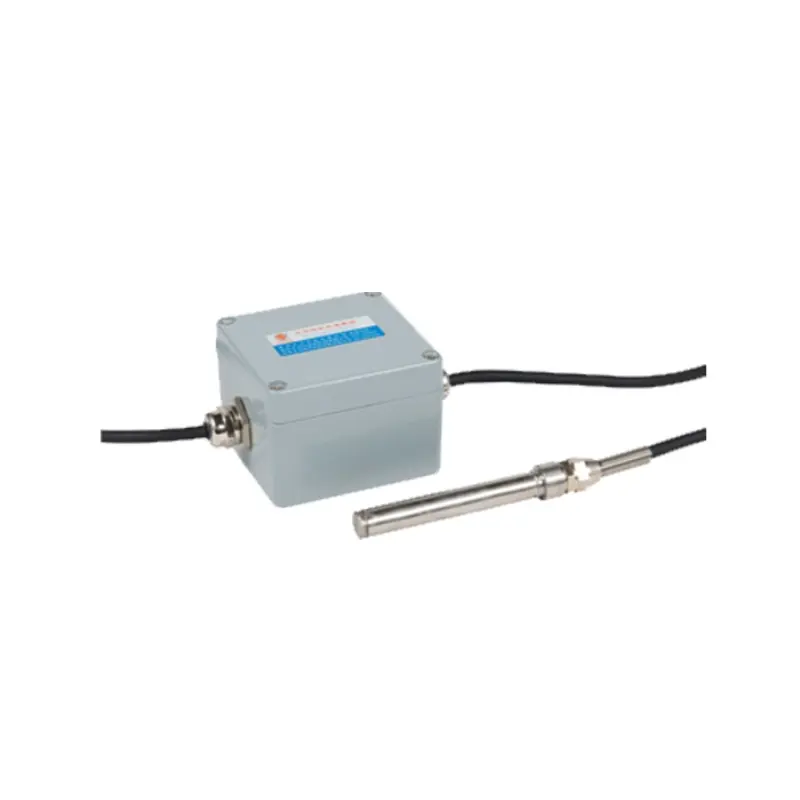
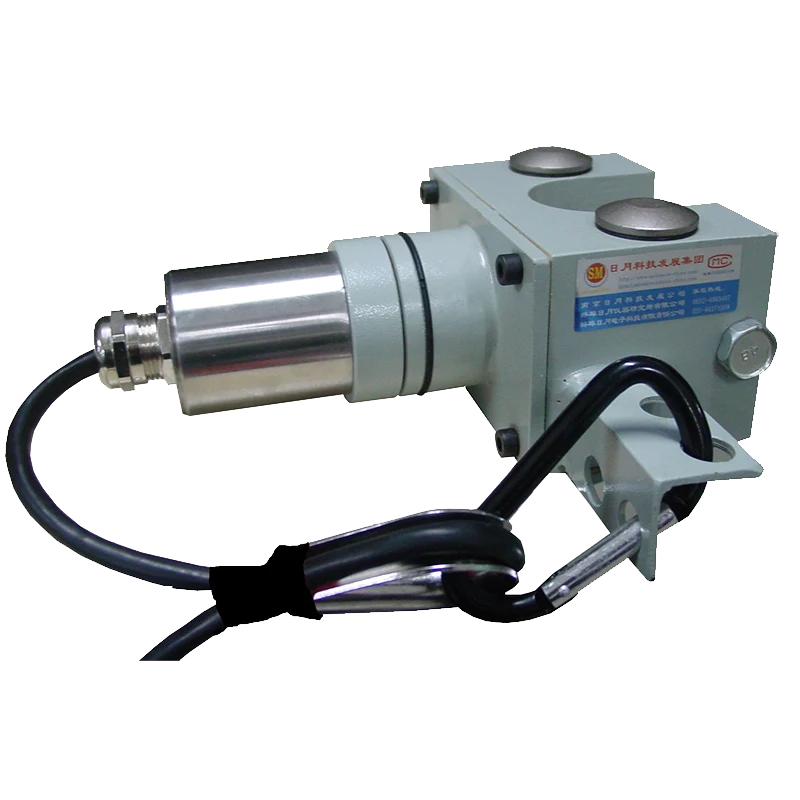
As a sensor manufacturer with 35+ years of expertise, Sunmoon has been deeply involved in precision measurement technologies and industrial sensor solutions. Our wireless load and displacement transducers are engineered for industrial reliability, robust communication, and seamless system integration—ideal for global distributors and procurement teams seeking dependable performance and long-term value.
Whether you’re automating production, monitoring structural health, or managing remote assets, choosing the right wireless displacement sensor is a strategic move that improves system efficiency and lowers lifecycle costs.
 />
/> />
/>